If It Doesn't Fit Anymore, Let It Go: The Nordic Approach to Reinventing Family Traditions
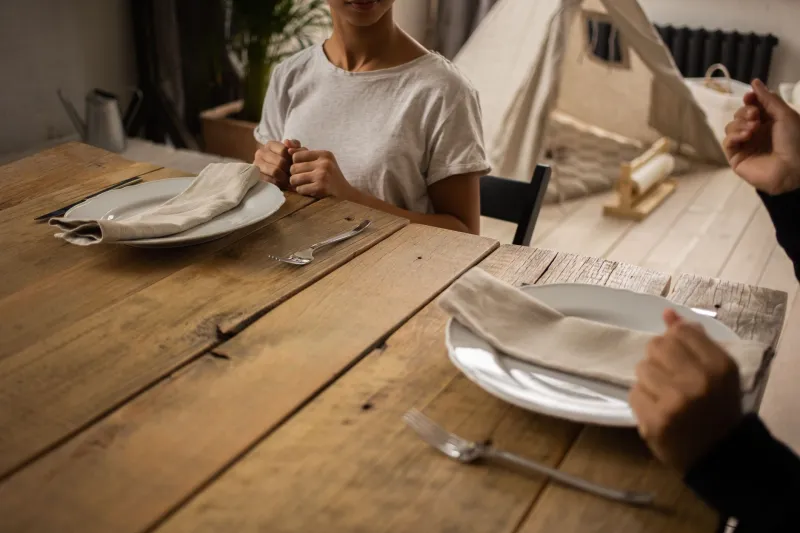
Every American family has at least one. The tradition nobody actually likes but everyone keeps doing anyway. Maybe it's the Christmas Eve gathering at a relative's house where the food is bad and the conversation is worse. Maybe it's the annual summer cookout that stopped being fun sometime around 2011 but continues to appear on the calendar every July like a ghost that refuses to leave. You go because you've always gone. You go because not going would require an explanation, and the explanation would cause a scene, and the scene isn't worth it.
Scandinavians find this genuinely baffling.
Not because they don't value tradition — they do, deeply. But in Nordic cultures, a tradition earns its place at the table each time it shows up. It doesn't get a permanent seat just because it used to mean something.
The Audit Nobody Warns You About
In Sweden, Denmark, Norway, and Finland, the relationship with inherited customs tends to be more evaluative than reverential. There's a cultural willingness — almost a cultural expectation — to look at what you've been handed down and ask a simple question: does this still serve anyone? If the answer is no, or even a lukewarm maybe, the tradition gets modified, quietly retired, or replaced with something that actually fits the people doing it.
This isn't cynicism. It's the opposite. Nordic cultures take the function of ritual seriously enough to protect it from empty performance. A tradition that nobody enjoys isn't a tradition — it's a chore wearing a costume.
The Scandinavian concept of ærlighed — a Danish word roughly meaning radical honesty or authenticity — bleeds into how families relate to inherited customs. If the ritual isn't honest anymore, if it doesn't reflect who you actually are as a family right now, then continuing it is a kind of small dishonesty you repeat annually until someone finally says something.
What Americans Are Actually Protecting
In the US, the stakes around tradition feel different, and it's worth being honest about why. A lot of what Americans call tradition is really grief management. Keeping grandma's recipe alive, or driving four hours to the same lake house every summer, or watching the same terrible parade on Thanksgiving morning — these rituals often function as a way of staying connected to people who are gone or to versions of your family that no longer exist.
That's not nothing. That grief is real. But there's a difference between honoring a memory and being held hostage by a custom that has outlived its meaning.
Scandinavians tend to separate those two things more cleanly. You can remember someone without performing an annual ritual in their honor that everyone secretly dreads. You can keep the emotional connection while letting the logistical obligation dissolve.
Ritual on Your Own Terms
What Nordic families often do instead is build intentional ritual — customs that emerge from the actual people in the room rather than inherited blueprints. This might look like a Friday night dinner that has its own specific, idiosyncratic character developed over years. Or a particular way of marking the first snow, or the last day of school, or a birthday that feels genuinely tailored to that person.
These traditions are just as meaningful. Often more so, because everyone in the family can trace the origin story. They remember why it started. It didn't arrive pre-loaded from three generations back with baggage no one fully understands.
There's a practical dimension to this too. Nordic families tend to be smaller, more geographically dispersed, and less likely to live in multi-generational clusters than families in parts of the US. That reality forces a kind of creative flexibility around tradition. You can't replicate the exact format of something when the cast of characters keeps changing. So you adapt. You keep the feeling and redesign the form.
The Permission You're Waiting For
Here's the thing that nobody in your family is going to say out loud: most people are waiting for someone else to say it first. The holiday gathering everyone silently dreads continues because no one wants to be the person who killed it. The tradition persists through a kind of collective social cowardice dressed up as respect.
Nordic directness — that thing Americans sometimes find refreshing and sometimes find alarming — comes in useful here. When something isn't working, you say so. Not cruelly, not dramatically, but plainly. This doesn't really work for us anymore. What if we tried something different? That sentence, in a Scandinavian family, doesn't land like a bomb. It lands like an invitation.
In an American context, it might feel riskier. But the risk is mostly in the anticipation. Most families, when one person is finally honest about a tradition that's past its expiration date, discover that others felt the same way for years.
Building Something Worth Keeping
The goal isn't to strip away ritual. Ritual matters — it creates belonging, marks time, gives families a shared language. The Nordic approach isn't anti-tradition. It's pro-good tradition. Traditions that people look forward to. Traditions with stories behind them that the youngest members of the family will eventually retell.
That means occasionally letting something go. It means being willing to say that a custom served a purpose it no longer needs to serve. And it means trusting that the people in your family can create something new together — something that fits who you are right now, not who you were twenty years ago.
The Scandinavians didn't invent that idea. But they've gotten pretty comfortable with it. And watching how lightly they hold their inherited obligations, how honestly they talk about what they actually want from a holiday or a gathering or a yearly ritual, it's hard not to wonder what American families might feel if they gave themselves the same permission.
Not to abandon tradition. Just to make sure the ones they're keeping are actually theirs.